More than 41,000 active-duty members will miss paychecks while guarding the nation’s waters starting midnight Friday
The U.S. Coast Guard is heading into a shutdown with no agreement on DHS funding and Congress on recess until February 23. That means more than 41,000 active-duty and activated Reserve members will be working without pay starting at midnight Friday. They won’t feel the immediate financial impact until the next scheduled military payday on February 27 but if Congress doesn’t reach an agreement immediately after reconvening, Coast Guard personnel could miss that paycheck entirely. This isn’t some abstract budget dispute. This is real people performing dangerous, critical work while uncertain whether they’ll be able to pay their rent.
- More than 41,000 active-duty members will miss paychecks while guarding the nation’s waters starting midnight Friday
- There’s recent history here, and it’s not pretty
- The operational impact of a shutdown goes beyond just missing paychecks
- Whether these workers ever get back pay depends entirely on Congress
Coast Guard Vice Commandant Vice Adm. Thomas Allan testified before Congress about exactly how serious this gets. He told the House appropriations subcommittee that even a shutdown lasting more than a few days would harm morale and affect recruitment at a time when the Coast Guard is actively trying to grow its force. But his most powerful testimony came when he humanized what a shutdown actually means: “The gunner’s mate manning a weapon in the Strait of Hormuz should not have to worry if their family will be able to pay rent while being shadowed by Iranian vessels. Our aviation survival technician deploying from a helicopter into treacherous seas should not have to worry if their family can buy groceries this week.”
That’s not abstract. That’s a specific person doing a specific dangerous job while stressed about basic survival needs.
There’s recent history here, and it’s not pretty
During the shutdown that spanned December 2018 and January 2019, Coast Guard members missed multiple paychecks. They eventually received back pay, but the damage was done. Some personnel were forced to turn to charities and food pantries just to cover bills and eat. That’s what happens when you tell people protecting national security that their paychecks are uncertain.
The operational impact of a shutdown goes beyond just missing paychecks
The Coast Guard will suspend some training for pilots, aircrews, and boat crews. Maintenance will be deferred, resulting in grounded aircraft, berthed cutters, and parts backlogs. Some fisheries enforcement operations will halt. Commercial vessel inspections will stop. Merchant mariner credentialing will pause. A nation’s coastline doesn’t get less dangerous because Congress can’t budget. Those responsibilities just get delayed while the Coast Guard operates in a degraded state.
The shutdown also affects nearly 10,000 civilian Coast Guard employees. About two-thirds of them will be furloughed not working and not getting paid. The remaining third designated as “essential” will keep working without pay. That’s the government’s way of saying: your job is important enough to do, but not important enough to pay you for right now.
Whether these workers ever get back pay depends entirely on Congress
During the 43-day federal shutdown last fall, OMB Director Russell Vought said the Government Employee Fair Treatment Act of 2019 doesn’t guarantee back pay automatically. Congress has to specifically include it in the appropriations law. So Coast Guard personnel could end up working unpaid with no guarantee they’ll ever be compensated.
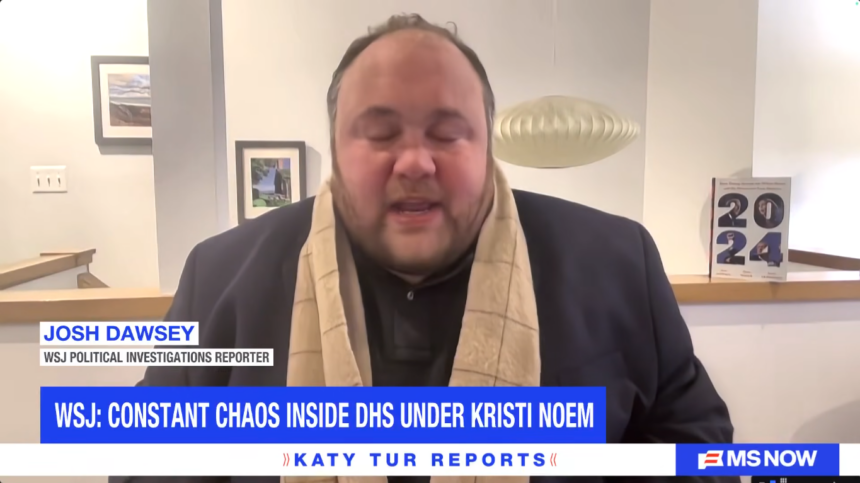
The broader context is that this shutdown is happening because of an immigration enforcement impasse. Republicans and Democrats can’t agree on how to fund Immigration and Customs Enforcement and Customs and Border Protection operations. Meanwhile, the Coast Guard which has nothing to do with that disagreement gets caught in the crossfire. CBP and ICE actually received funding through the Trump administration’s “One Big Beautiful Bill Act,” but other DHS agencies including the Coast Guard didn’t.
So the Coast Guard is about to operate on goodwill and hope while 41,000+ active personnel wonder if they’ll eat this month. That’s not leadership. That’s chaos dressed up as budget negotiations.