The hip-hop landscape in 2026 has exploded with energy as three of the genre’s most respected artists deliver career-defining moments. February marks a renaissance for rap music, with veteran voices proving their staying power while pushing creative boundaries that younger artists struggle to match.
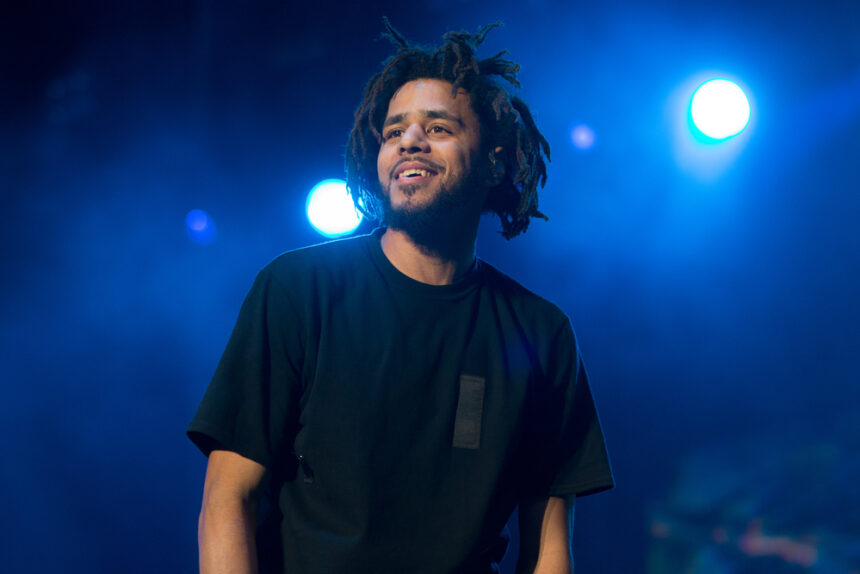
J Cole Returns with Double Album
North Carolina’s J. Cole sent shockwaves through the music industry on February 6 with the release of The Fall-Off, a massive double album that arrives after five years of silence. The project represents what Cole has hinted might be his final studio album, making every track feel like a precious artifact from one of rap’s most thoughtful voices.
The double album format allows Cole to showcase his full range as an artist. Early tracks blend introspective storytelling with hard-hitting production, while deeper cuts reveal experimental sounds that push beyond his traditional comfort zone. Fans have praised the project for its maturity and technical excellence, with Cole’s wordplay reaching new heights of complexity.
What makes The Fall-Off particularly compelling is its timing. Cole stepped away from the spotlight at the peak of his powers, and his return feels deliberate rather than desperate. The album addresses his absence directly, exploring themes of legacy, artistic integrity, and the pressure to remain relevant in an industry that devours careers. His decision to potentially retire on his own terms has sparked conversations about artistic freedom versus commercial demands.
Kendrick Lamar Maintains Dominance
Los Angeles rapper Kendrick Lamar continues his unprecedented run of excellence following his Grammy victories for Not Like Us and the critically acclaimed album GNX. While other artists chase trends, Lamar has built a career on refusing to compromise his artistic vision for easy commercial success.
His recent Grammy wins cement his status as one of rap’s most decorated artists. The recognition comes not just for catchy hooks or viral moments, but for substantive work that challenges listeners intellectually and emotionally. Lamar‘s ability to balance commercial appeal with artistic depth has made him a blueprint for aspiring rappers who want longevity beyond one-hit-wonder status.
What separates Lamar from his peers is his refusal to coast on past achievements. Each project feels like a complete reinvention, with new sonic palettes and conceptual frameworks that keep audiences guessing. His influence extends beyond music into culture at large, with his voice becoming synonymous with thoughtful commentary on social issues.
A$AP Rocky Makes Triumphant Comeback
Harlem’s A$AP Rocky shattered an eight-year album drought with Don’t Be Dumb, released January 16 to immediate critical and commercial success. The album debuted at number one on the Billboard 200, proving that Rocky’s fanbase remained loyal despite his extended absence from studio recordings.
Rocky’s return showcases an artist who has evolved beyond his early cloud rap origins. The production on Don’t Be Dumb reflects his growth as a creative director, blending fashion-forward aesthetics with experimental beats that feel both futuristic and rooted in hip-hop tradition. His collaborations bring together unexpected voices, creating sonic landscapes that reward repeated listens.
The album’s success represents more than just chart positions. Rocky has spent years building his brand beyond music, with fashion ventures and cultural collaborations that expanded his influence. Don’t Be Dumb feels like a victory lap from an artist who has proven he can succeed on multiple fronts while maintaining his core identity as a rapper.
Hip-Hop Renaissance
The convergence of these three releases within weeks of each other has energized hip-hop culture. Social media platforms have exploded with debates about which album stands strongest, with fans dissecting lyrics and production choices with academic rigor. This level of engagement proves that substantive rap music still commands attention in an era dominated by disposable content.
These artists represent different paths to success within hip-hop. Cole built his career on consistency and authenticity, Lamar on artistic innovation and cultural commentary, and Rocky on aesthetic vision and cross-platform influence. Together, they demonstrate that longevity in rap requires more than catchy hooks and viral moments.