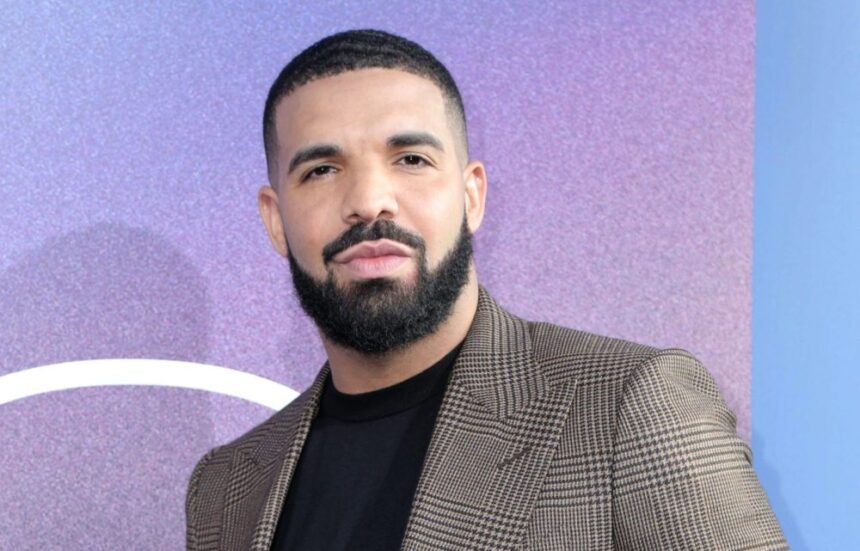
A coalition of legal scholars and social scientists has filed a formal brief in Drake’s ongoing lawsuit against Universal Music Group, and they are not taking his side. The group, which includes academics with deep expertise in hip-hop culture and the intersection of race and the law, is asking a federal appeals court to uphold the dismissal of Drake’s defamation claim tied to Kendrick Lamar’s diss track Not Like Us.
Their argument is not simply about who won a rap beef. It is about what happens when courts begin treating artistic expression as a statement of fact, and what that means for the future of an entire genre.
What the scholars argue
The brief centers on a well-documented concern within legal and cultural scholarship. When rap lyrics are introduced into legal proceedings as literal evidence, they argue, the result is not just a misreading of the art form but an invitation for racial bias to enter the courtroom. Academic research cited in the filing suggests that juries and judges apply a different standard to rap than they do to other genres, treating its imagery and rhetoric as confessional or factual in ways that would never be applied to, say, country music or punk rock.
The scholars point to hip-hop’s foundational traditions as essential context. From its origins in the early 1970s, the genre has been built on exaggeration, metaphor, boasting and insult. Diss tracks in particular are understood within that culture as competitive performances, contests of wit and lyrical skill rather than investigative claims. They argue that even casual listeners grasp this distinction and that the law should be no less sophisticated in its reading.
Their position carries significant First Amendment weight. If courts begin treating rap lyrics as factual representations, they warn, artists may begin self-censoring to avoid legal liability, a chilling effect that could reshape the creative boundaries of the genre.
What Drake is claiming
Drake filed an appeal in January after his initial lawsuit was dismissed. His legal team argues that Not Like Us, released during a very public feud with Kendrick Lamar, went beyond artistic expression and crossed into defamatory territory by accusing Drake of being a pedophile. The lawsuit names Universal Music Group as a defendant on the grounds that the company promoted the track while allegedly knowing its claims were false.
Drake’s attorneys have emphasized the severity of the reputational damage they say the song caused, noting that the allegation spread globally and, in their telling, spilled over into real-world threats and harassment. For them, the case is not about whether rap lyrics should be taken literally in the abstract but about whether a specific and devastating accusation caused concrete harm to a real person.
UMG fires back
Universal Music Group has responded to Drake’s appeal with its own filing, arguing that Drake’s legal theory would require courts to strip language from its creative context entirely. The company also suggested, with some bluntness, that Drake’s pursuit of the lawsuit reflects frustration over losing a rap dispute rather than a genuine legal injury.
That framing has become central to the debate around the case. Drake’s team rejects it entirely, insisting the stakes are personal and serious. The scholars, for their part, are less concerned with who said what and more focused on what it would mean for the courts to weigh in on rap as though it were journalism.
Why this case matters beyond Drake
The outcome of this appeal could set a meaningful precedent for how courts handle rap lyrics going forward. The scholars who filed the brief are not the first to raise these concerns. Legal advocates have spent years pushing back against the use of rap lyrics in criminal proceedings, arguing the practice disproportionately harms Black artists and defendants.
Drake’s case puts those same questions before a federal appeals court, and the answer it delivers could reshape the relationship between hip-hop and the law for years to come.