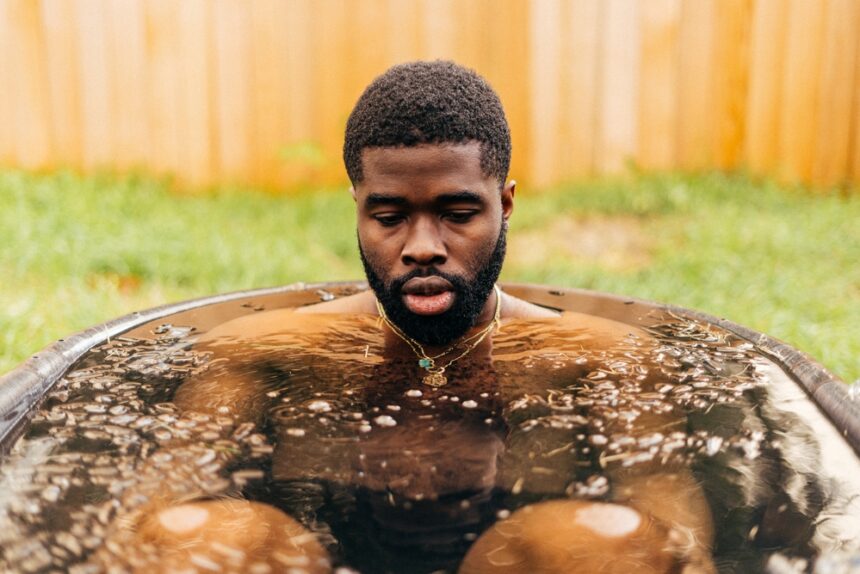
They look almost identical. Both involve submerging your body in freezing cold water. Both make you question every decision that led you to that moment. But a cold plunge and ice bathing are not the same thing — and if you have been using the terms interchangeably, you have been missing a critical distinction that could change how you recover, train, and feel every single day.
The cold water wellness movement has exploded in recent years, showing up everywhere from professional athletic facilities to backyard setups with nothing but a metal tub and a bag of ice. But underneath all the viral videos and breathwork rituals, a real question remains — which method actually delivers, and which one is just cold for the sake of cold?
What Makes a Cold Plunge Different
A cold plunge refers to a dedicated cold water immersion experience, typically using a purpose-built vessel that maintains a consistently controlled temperature — usually between 39°F and 55°F. The key difference is precision. Cold plunge setups, whether commercial units or well-maintained DIY rigs, hold temperature steady throughout the session.
That consistency matters more than most people realize. The body‘s cold shock response, the hormonal cascade that triggers norepinephrine release and activates the nervous system, depends on sustained exposure at a reliable temperature. A cold plunge delivers that environment reliably, session after session.
Benefits of regular cold plunge sessions include
- Reduced inflammation and accelerated muscle recovery
- Elevated mood through norepinephrine and dopamine release
- Improved circulation and cardiovascular resilience
- Enhanced mental clarity and focus following each session
- Better sleep quality when done earlier in the day
What an Ice Bath Actually Is
An ice bath is exactly what it sounds like — a tub, a bag of ice, and cold tap water. It is the original cold water immersion method, used by athletes long before cold plunge units existed, and it still gets the job done.
The main variable with an ice bath is temperature inconsistency. As the ice melts, the water warms. Depending on the ratio of ice to water and the ambient temperature, an ice bath session can start at 50°F and climb to 60°F or higher before the session ends. That fluctuation affects the intensity and consistency of the physiological response.
That said, ice baths are not inferior — they are just less controlled. For general recovery, soreness relief, and mental toughness training, an ice bath absolutely delivers. The barrier to entry is also significantly lower. A metal tub and two bags of ice cost a fraction of what a dedicated cold plunge unit runs.
Cold Plunge vs Ice Bath — The Real Breakdown
Here is where it gets practical. The better option depends entirely on what you are trying to achieve
- For athletic recovery — Cold plunge wins. Controlled temperature means consistent results every time.
- For mental toughness training — Ice bath holds its own. The raw, unfiltered discomfort builds a different kind of discipline.
- For budget-conscious beginners — Ice bath is the clear starting point. No equipment investment required.
- For long-term daily practice — Cold plunge is the smarter investment. The convenience and consistency compound over time.
- For inflammation and hormonal benefits — Cold plunge edges ahead, thanks to sustained temperature control throughout the session.
Neither method is wrong. The worst option is doing neither.
How to Start Without Overwhelming Your Body
Whether you go with a cold plunge or an ice bath setup, the approach to starting matters. Jumping into 39°F water with no preparation is a fast track to a miserable experience and a body that fights back hard.
Start here
- Begin with contrast showers — Alternate between hot and cold water for 30 to 60 seconds each. Do this for one to two weeks before full immersion.
- Start warmer than you think you need — Begin around 60°F and drop the temperature gradually over days and weeks.
- Control your breathing first — Slow, deliberate exhales through the mouth help override the cold shock response and keep the nervous system calm.
- Limit early sessions to two to three minutes — Duration matters less than consistency at the start. Show up daily before pushing the time.
- Never go alone — Cold water immersion carries real physiological risks. Always have someone nearby, especially in early sessions.
The backyard cold plunge is no longer just an athlete’s tool. It is a discipline. A practice. A daily reset that costs nothing but commitment — and pays back in ways that are hard to explain until you have felt them yourself.