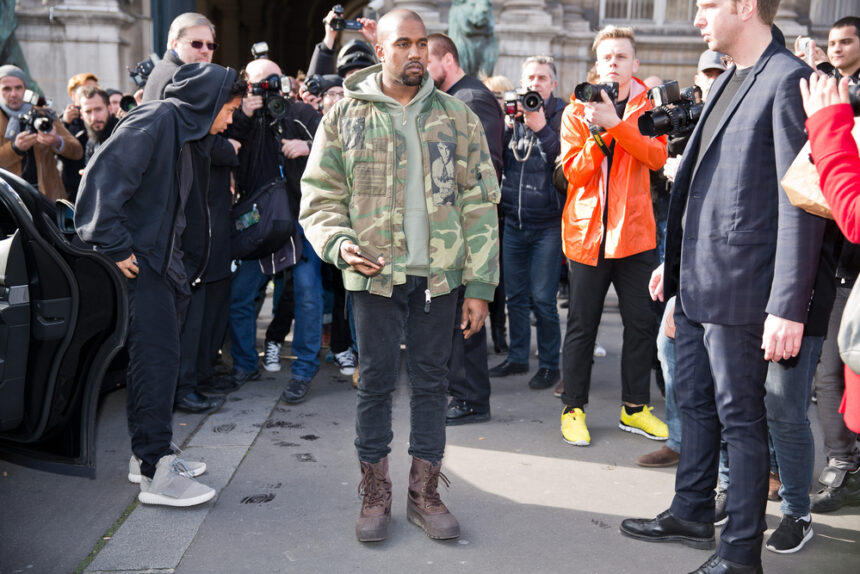
Fans who had been counting down to the Wireless Festival’s three-night run in London are now counting their losses. On Tuesday, organizers confirmed the event’s full cancellation after the U.K. Home Office refused entry to headliner Ye, the Chicago rapper formerly known as Kanye West, ruling that his presence would not be ‘conducive to the public good.’ It was a stunning end to what had already become one of the most contested bookings in British festival history.
Festival director Melvin Benn had publicly defended the decision to book Ye, but that position held little weight with major brand partners. Pepsi and Diageo both withdrew their sponsorships over Ye’s well-documented history of anti-Semitic remarks, and without their backing — and without a headliner — the event collapsed entirely. Ye has issued previous apologies and framed his forthcoming album Bully as part of a broader effort to restore ties with the Jewish community. The Home Office was unmoved.
Ye’s ban is the latest chapter in a pattern that stretches back nearly two decades. The U.K. has long maintained some of the strictest border policies in the entertainment world, and hip-hop artists have frequently found themselves on the wrong side of those rules — whether for criminal records, unresolved charges, or simply the perception that their art poses a social risk.
A pattern decades in the making
The artists affected span generations and genres, but the thread connecting them is consistent— a collision between personal history and British immigration law. Here is a look at the artists who have faced those barriers.
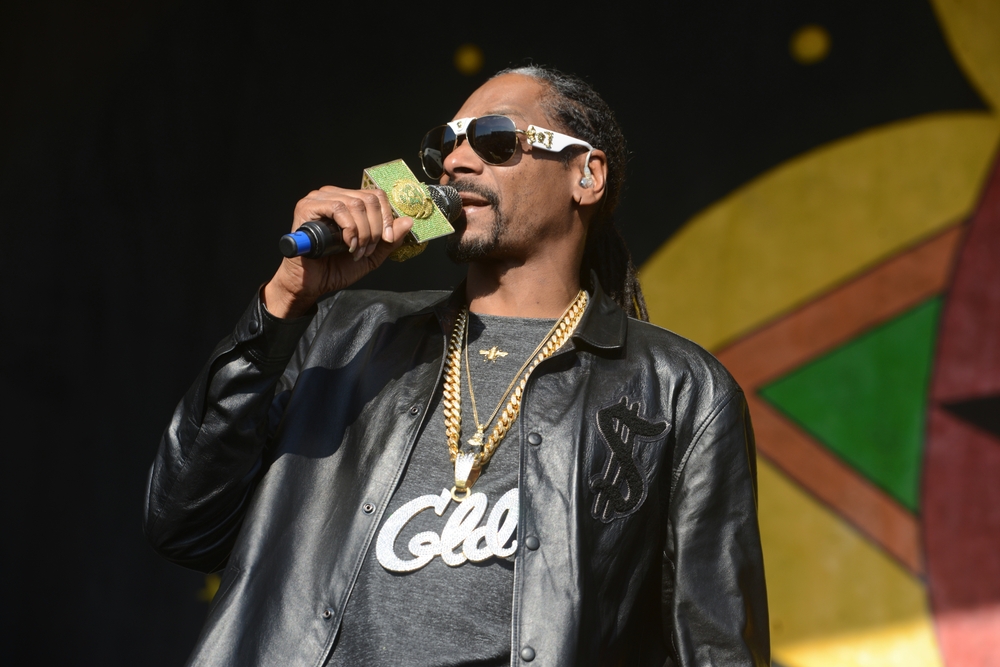
- Snoop Dogg — Denied entry in May 2006 and again in March 2007, the West Coast veteran was forced to cancel dates on an international tour he was co-headlining with Sean Combs. The refusal stemmed from a 2006 arrest at Heathrow Airport involving members of his travel party. The ban was eventually lifted in 2008, and Snoop returned to British stages by 2010.
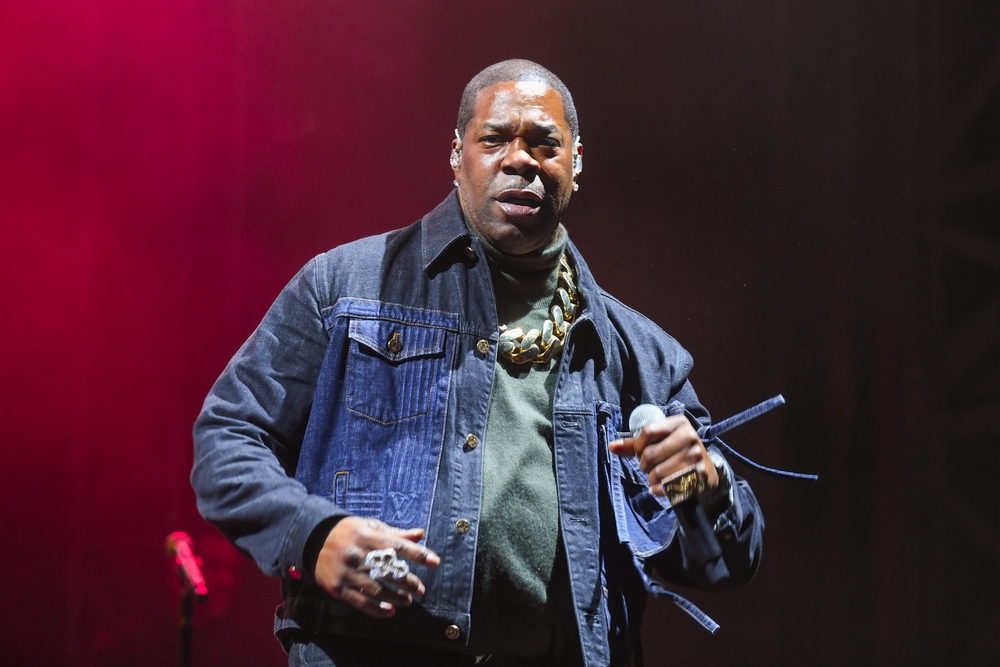
- Busta Rhymes — Never officially banned, the Brooklyn rapper was nevertheless held at a U.K. airport for 11 hours in September 2008 due to unresolved criminal convictions in the United States. He had been booked for the first Orange RockCorps charity concert. A judge ultimately ordered his release, and he was allowed to perform hours before his scheduled set.
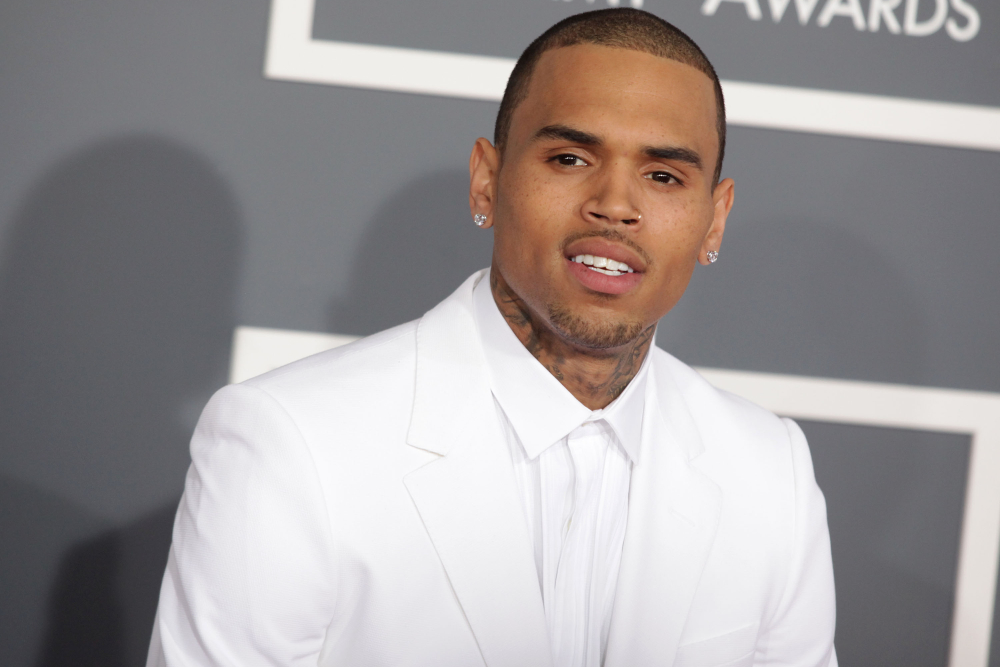
- Chris Brown — Blocked from entering the U.K. in June 2010 in the wake of his 2009 conviction for assaulting Rihanna, which British authorities labeled a serious criminal offense. He remained barred for over a decade, eventually appearing alongside WizKid at the O2 in November 2021. He performed at Wireless in 2022. Brown is currently set to stand trial in London in October 2026, charged with assaulting music producer Abe Diaw in 2023. He has pleaded not guilty.
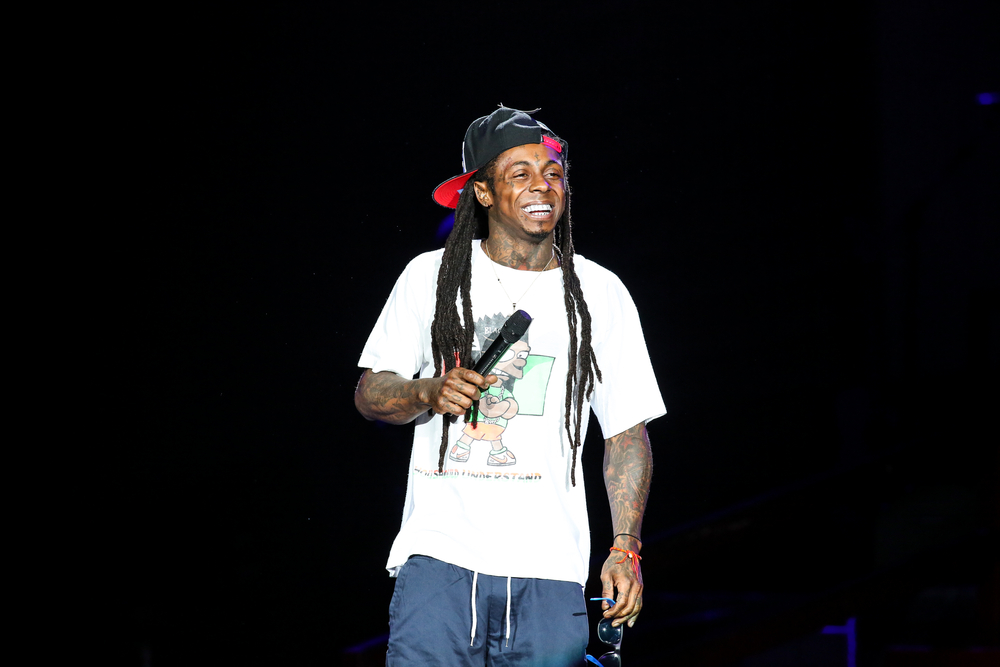
- Lil Wayne — Barred from a European concert run in April 2011 when the U.K. Border Agency rejected his application based on his criminal record, which included eight months served for weapon possession. He attempted a return for the 2022 Strawberries and Creem Music Festival after 14 years away, but the Home Office held firm. Ludacris replaced him on the lineup.
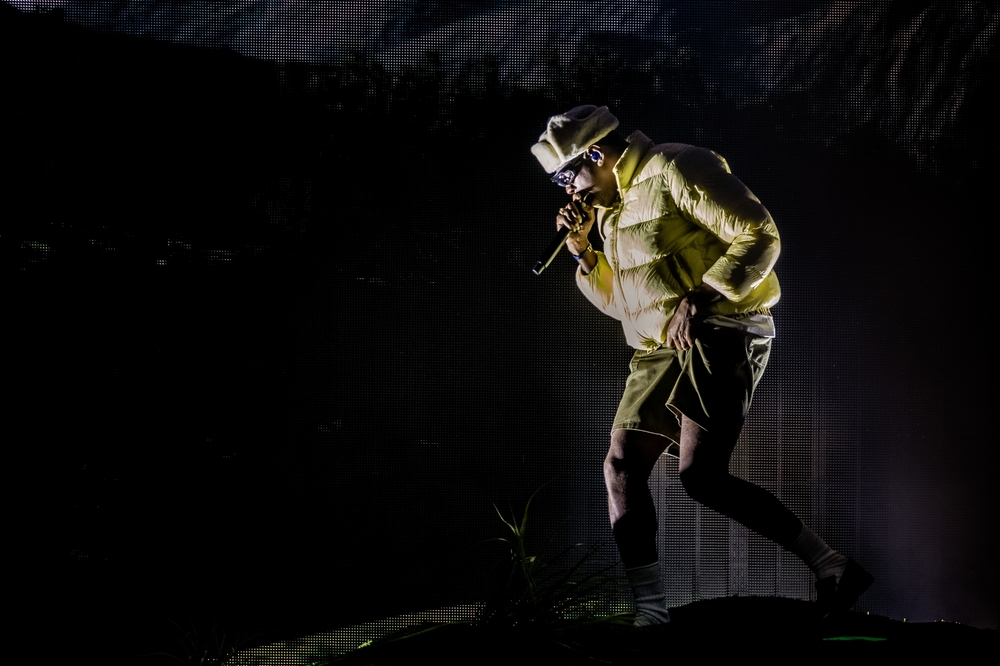
- Tyler, the Creator — Revealed in September 2015 that he had been banned based on early-career lyrics that then-Home Secretary Theresa May deemed reflective of behavior unacceptable in the U.K. Tyler described the experience as being treated like a terrorist. The ban was lifted in 2019, and he has since returned to headline major U.K. stages.
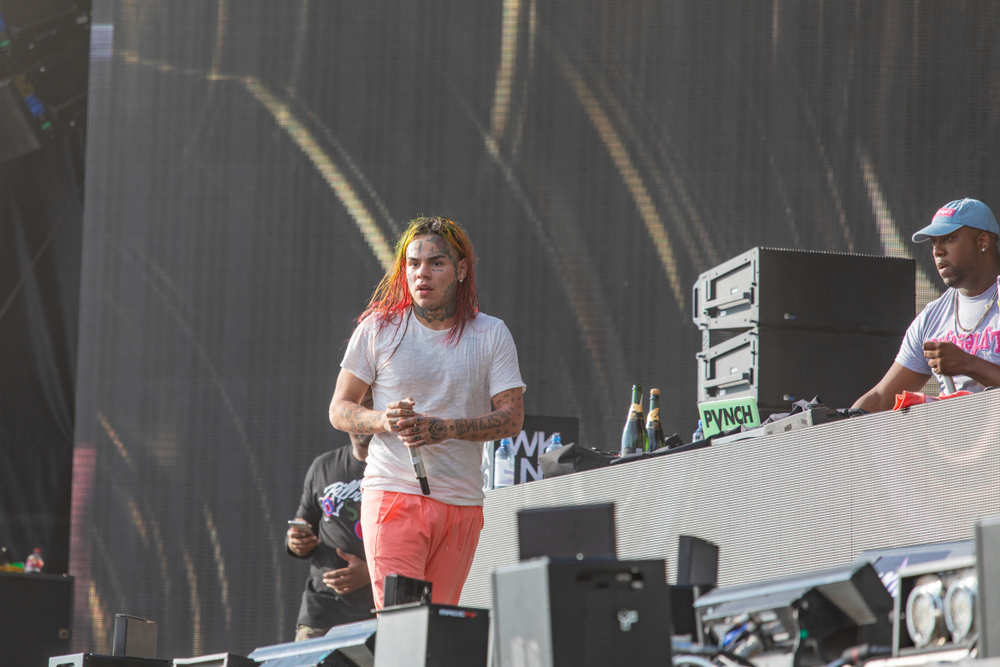
- Tekashi 6ix9ine — Forced to cancel concerts in London and Manchester in June 2018 after immigration authorities blocked him at the border. A member of his team cited an immigration issue, and the venues confirmed border agents had refused him entry. Full details of the incident were never made public.
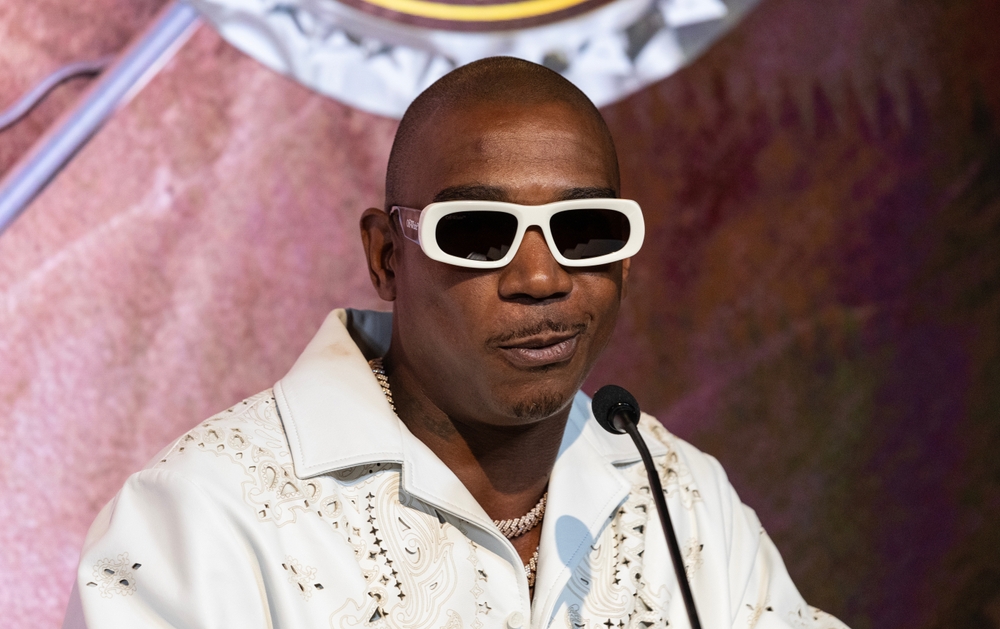
- Ja Rule — Took to social media in February 2024 to express frustration after being denied entry days before a sold-out British tour. He claimed to have invested half a million dollars of his own money into tour production and alleged that promoters had falsely assured him his prior convictions would not be an obstacle. He directed fans to request refunds from the affected venues.
- Benny the Butcher — The Buffalo rapper announced in April 2022 that a new felony charge and existing FBI reports had made it impossible for him to enter the U.K. for a scheduled run of shows. He promised a future documentary detailing the full story.
Ye and the weight of rhetoric
Ye‘s case differs from most on this list in one significant respect— the denial was not driven by a criminal record but by a broader judgment about his public conduct. The Home Office’s public good standard gave authorities the latitude to consider his years of harmful statements, including remarks widely condemned as antisemitic. That bar, applied here, effectively treated harmful speech as grounds for exclusion — a precedent that carries weight well beyond the music industry.
It was not Ye’s first brush with national-level consequences. In July 2025, Australian officials canceled his visa ahead of a planned visit following the release of a song titled Heil Hitler. The pattern has become impossible to ignore.
What the Wireless collapse means for live music
The cancellation of a three-night festival over one artist’s denied entry is, by any measure, an extraordinary outcome. It reflects not just the power a headliner holds over a major event’s commercial viability, but also the increasingly tangled relationship between an artist’s off-stage behavior and their ability to perform at all. For sponsors, insurers, and organizers, the question is no longer just whether a booking will sell tickets — but whether it will survive the journey to showtime.
For Ye, the Wireless cancellation is another consequence in a years-long series of them. Whether the Bully era represents a genuine turning point or simply a new chapter in the same ongoing story remains, for now, an open question — one the U.K.’s Home Office has declined to wait around to answer.
Source: Vibe