President Donald Trump said over the weekend that Iran had agreed to most of the 15 demands the United States issued to Tehran, a declaration that landed with little supporting evidence and quickly collided with Iran’s own public statements rejecting those same terms. Speaking to reporters aboard Air Force One on Sunday, Trump said the US would be seeking a few additional concessions, though he offered no details on what Iran had actually agreed to or through what channel that agreement had been relayed.
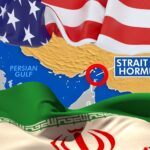
Iran has publicly pushed back against the American list of ceasefire conditions, which was delivered through intermediaries in Pakistan. In response, Tehran put forward five conditions of its own, among them a demand that it retain full sovereignty over the Strait of Hormuz, one of the world’s most critical oil shipping lanes. The gap between both sides’ stated positions remains wide, yet Trump projected confidence that a resolution was within reach.
Oil on the table
What drew even more attention than Trump’s ceasefire optimism was a separate idea he floated in an interview published Sunday. The president said his preferred outcome in the conflict would be to seize Iran’s oil resources entirely. He acknowledged that critics at home had pushed back on the idea, but dismissed them sharply.
Seizing Iranian oil would not be a surgical strike. It would require the invasion and prolonged occupation of Kharg Island, the country’s primary oil export hub and home to an Iranian naval base. Trump acknowledged as much, noting that such a move would mean a sustained American military presence in the region. It is the kind of operation that military planners and foreign policy analysts would describe as deeply complicated, logistically demanding and diplomatically catastrophic for US relationships across the Middle East and beyond.
Mixed signals from Washington
The broader picture from the US side has been far from consistent. While Trump speaks of negotiations and a war ending soon, American military assets have been pouring into the region at a striking pace. An amphibious assault team arrived in the Middle East on Saturday, and members of the 82nd Airborne Division are en route. The buildup signals preparation for something beyond diplomacy, even as Trump insists talks are progressing.
Officials from Pakistan, Saudi Arabia and Turkey held meetings over the weekend in an effort to carve out a path toward de-escalation. Pakistan’s foreign minister indicated that both Iran and the United States had expressed trust in Islamabad as a potential host for future negotiations, though neither side has confirmed any readiness to sit across a table from the other.
Regime change, by Trump’s definition
Trump also weighed in on the question of regime change, suggesting the US had already accomplished it. American strikes at the outset of the conflict killed Supreme Leader Ayatollah Ali Khamenei. His son Mojtaba has since assumed leadership. Trump described the new leadership in Tehran as reasonable and fundamentally different from those who came before, framing the transition as a quiet victory for US objectives.
Whether that characterization reflects reality on the ground in Tehran is another matter entirely. What is clear is that the conflict has placed enormous pressure on the administration, with economic consequences beginning to ripple through markets and Republican strategists eyeing the November midterm elections with growing unease.