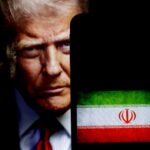
President Donald Trump announced plans to sign an executive order directing the Secretary of Homeland Security to immediately pay Transportation Security Administration officers, citing an emergency situation at airports across the country. The move comes after weeks of a partial government shutdown that has left TSA workers without paychecks and triggered mounting disruptions at major air travel hubs.
The funds are expected to come from a pool of money set aside through Trump’s 2025 tax and spending bill, the same mechanism the White House used to pay military personnel during a broader federal shutdown the previous year. The approach sidesteps the traditional congressional appropriations process entirely and is already drawing scrutiny over its legal footing.
Even so, blocking the move may prove difficult in practice. The Republican-led House and Senate have largely deferred to the president as he continues to test the boundaries of executive authority in his second term, making a swift legal challenge an uncertain prospect.
Weeks of gridlock with real consequences
The standoff centers on funding for the Department of Homeland Security, which oversees the TSA. While Immigration and Customs Enforcement and border patrol agents have continued to receive pay through supplemental funds included in the July spending bill, TSA workers have gone without paychecks for weeks.
The effects have been visible and disruptive. Airports in Atlanta, Houston and New York have seen lines snake through terminals, spill into baggage claim areas and, in some cases, extend outside onto sidewalks. Videos of the backups spread widely on social media, amplifying public frustration over delayed flights and overcrowded checkpoints. The agency has also lost more than 480 officers who either called out sick or left their jobs altogether during the funding lapse, according to testimony from the acting TSA administrator.
The disruption has added economic pressure to an environment already strained by elevated oil and gas prices tied to the ongoing Iran conflict.
What Democrats want and why talks stalled
The partial shutdown took hold after Democrats blocked Department of Homeland Security funding in response to the killings of two American citizens by immigration enforcement agents earlier this year. Their demands include expanded body camera use for ICE officers, visible name identification on badges, restrictions on mask wearing during operations and requirements for judicial warrants before agents enter private residences. They also called for enhanced training protocols across the agency.
Republicans rejected a Democratic proposal to fund the TSA and non-immigration-related DHS operations separately as a standalone bill. Senate Majority Leader John Thune presented what he described as a final revised offer from Republicans, saying negotiations were moving in a productive direction while leaving open the possibility of further language adjustments. Democrats said they were reviewing the proposal.
Trump, however, moved in a different direction. He urged his party to hold firm against Democratic demands and pushed to link DHS funding to a controversial voter identification bill. He also renewed calls for the Senate to change its procedural rules to allow Republicans to pass DHS funding without Democratic votes.
A pattern taking shape
Trump’s unilateral action arrived just hours after the White House press secretary told reporters that no preparations were underway to address the airport situation through executive means, a notable reversal that drew attention in Washington.
The move echoes tactics from the government shutdown the prior year, when Trump directed the Defense Department to tap available funds to cover military pay. That episode also involved a reported $130 million anonymous donation to the Pentagon for the same purpose, later traced to a prominent Republican donor and railroad magnate, which raised its own set of legal questions.
Senate Republican leaders called the executive order a short-term solution that relieved immediate pressure on lawmakers, though it remains unclear whether congressional negotiations will continue or whether members will proceed with a scheduled two-week recess without a broader deal in place.