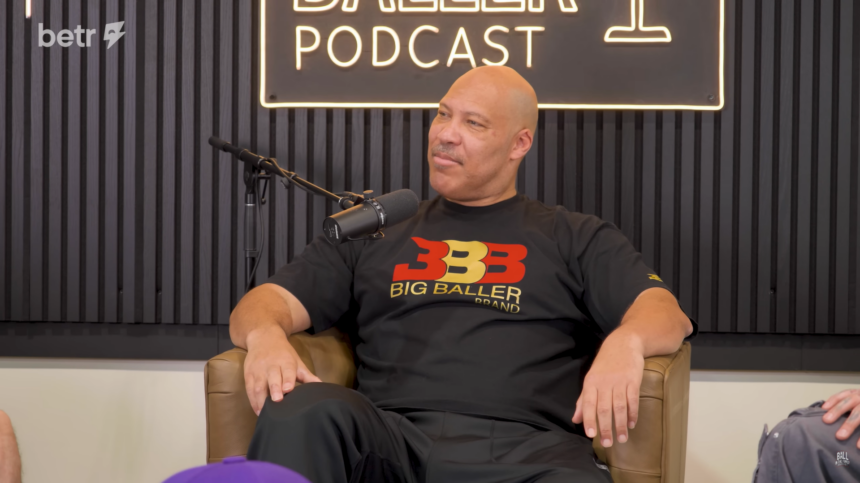
Most parents want their children to find their own way. LaVar Ball was never that kind of parent. In a candid appearance on the family’s reality series, the father of Lonzo, LaMelo and LiAngelo Ball made it unmistakably clear that his sons’ careers were not the result of personal discovery or organic passion. They were the product of a plan he set in motion long before they were old enough to have an opinion about it.
Ball described the process as deliberate grooming, using that word without hesitation or apology. The destination was always professional athletics. The only variable was how efficiently he could get them there.
LaVar Ball on raising sons with no exit ramp
When the topic of choice came up during the conversation, Ball did not flinch. Asked what he would have done if his sons had decided they wanted nothing to do with sports, his response was immediate and absolute. He made clear that such a scenario was not just unlikely but essentially inconceivable within the framework he had built for his family. Athletic identity, in his view, was not something his sons would stumble upon later in life. It was something he instilled in them from the start.
He went further when pressed on what would have happened if one of them had come home at 12 years old and said he was done with basketball. His answer left no room for interpretation. The decision, he made plain, would not have been theirs to make. He described the mindset as something he cultivated in them from an early age, framing quitting not as a personal choice but as a foreign concept he had deliberately kept out of their vocabulary.
For Ball, now 58, the philosophy connects directly to his own athletic history. He entered the 1994 NFL Draft but went unselected and never played in a regular season game. The professional career he had envisioned for himself never materialized. What it left behind was a conviction, a drive to see the story completed through someone else, and his sons became the vehicle for that.
LaVar Ball’s results and the questions they raise
The approach drew years of mockery and skepticism, and it remains easy to critique from the outside. But the outcomes are difficult to dismiss entirely. LaMelo Ball is currently the face of the Charlotte Hornets franchise and one of the more exciting young players in the NBA. Lonzo built a meaningful professional career before a serious injury derailed his momentum. LiAngelo, who did not stick in the league as a player, found an unexpected second act as a recording artist with a track that connected with a wide audience.
The success of all three raises a genuine question about how much of what they achieved came from internal motivation versus a path that was constructed for them before they had any say in the matter. That tension sits at the center of LaVar’s story and has never been fully resolved.
What his approach looks like from the outside
Not everyone has viewed LaVar’s parenting style as harmful or excessive. There are voices in basketball who have spoken about his involvement with genuine respect, particularly those who grew up without a present father figure and see something valuable in the level of engagement and commitment he brought, even when it crossed into territory that made others uncomfortable.
The broader debate his story invites is one about the line between parental vision and personal agency, about what it means to give a child a head start versus what it means to take away a choice. LaVar Ball has never pretended that line worried him much. He set the plan, he worked it and his sons made it to the other side. Whether they would have chosen the same path on their own is a question none of them may ever fully be able to answer.