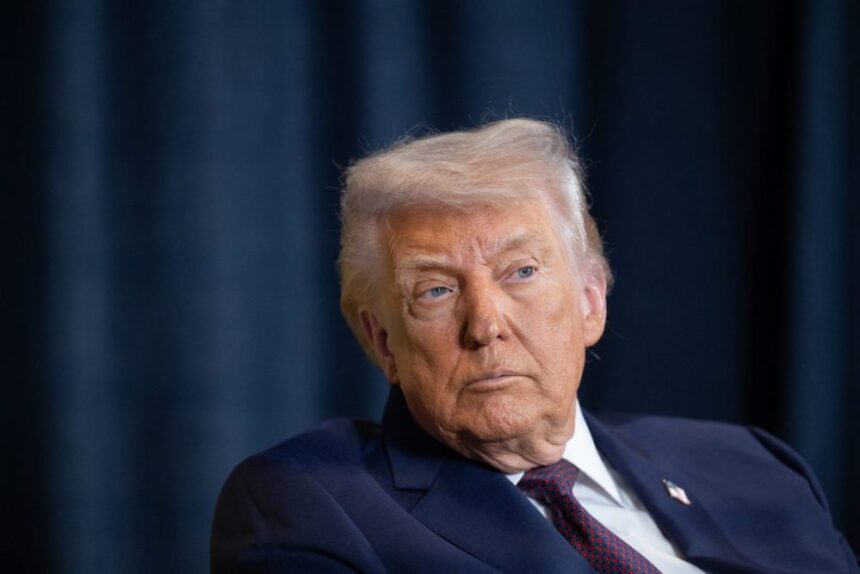
The idea of seizing Kharg Island, Iran’s most critical oil hub, has reportedly captured the attention of President Donald Trump. The island, located roughly 15 miles off the Iranian coast, is responsible for handling nearly 90% of the country’s crude oil exports, making it a uniquely powerful pressure point in any escalating standoff with Tehran.
According to reports, Trump has grown drawn to the concept of taking the island outright, with those familiar with his thinking describing the move as a potential economic knockout of the Iranian regime. The appeal is clear on paper. Cutting off that revenue stream could destabilize Tehran in ways that military strikes alone might not achieve. But the risks are just as significant. A seizure of that scale would require U.S. forces on the ground and could provoke Iranian retaliatory strikes on oil infrastructure throughout the Gulf region, particularly in Saudi Arabia.
The conversation around Kharg Island comes just days after U.S. Central Command carried out a large bombing raid targeting the island’s oil export terminal. Trump stated publicly that all military targets had been obliterated in the operation. Shortly after, the U.S. Ambassador to the United Nations signaled that further action, including additional strikes, remained on the table.
A coalition in the making
While the Kharg Island debate simmers, the Trump administration is also moving forward with plans to announce a naval coalition aimed at escorting commercial ships through the Strait of Hormuz. The strait, which runs along the Iranian coastline, has become a flashpoint as the ongoing Persian Gulf blockade continues to disrupt oil shipments and complicate diplomatic efforts.
The formal announcement could come as early as this week, though officials have noted that conditions on the ground could alter the timeline. Trump, speaking aboard Air Force One, confirmed that his administration had reached out to roughly seven countries for support but declined to name them. He previously floated the idea of involving China, France, Japan, South Korea and the United Kingdom in the effort.
The types of contributions being discussed include minesweepers and naval equipment capable of countering drone threats and sea mines. Trump also issued a pointed warning to NATO allies, suggesting that those who fail to help secure the route could face serious consequences.
Allies pump the brakes
Not everyone is ready to answer the call. Reports out of Asia indicate that Japan and Australia have no current plans to deploy warships to the Strait of Hormuz. The hesitation among key partners adds a layer of uncertainty to a coalition effort that the administration had hoped to announce with momentum.
Meanwhile, oil markets have taken notice of the mounting tension. WTI crude climbed past the 100 dollar mark, trading more than 1% higher as investors weighed the possibility of prolonged disruption to one of the world’s most important energy corridors.
The situation remains fluid, with military, diplomatic and economic threads all pulling in different directions. Whether the Kharg Island idea moves from concept to action may depend as much on what allies are willing to do as on what Trump ultimately decides.