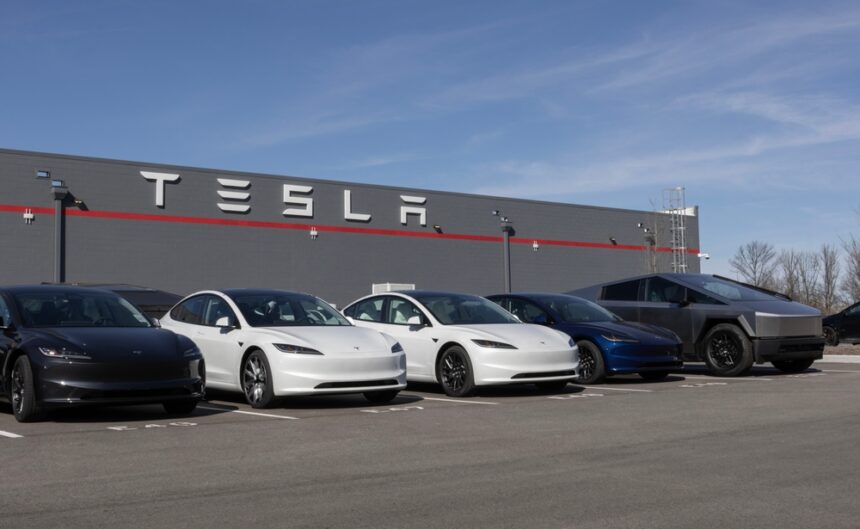
Tesla was ready before anyone else saw it coming. Drivers pulling into gas stations in early 2026 found numbers on the pump that household budgets were not prepared for. Global oil prices, driven upward by ongoing geopolitical tensions and supply disruptions, have made the cost of owning a conventional vehicle increasingly difficult to justify. For millions of people sitting on the fence about electric vehicles, the current climate is not just a nudge — it is a shove.
Why Oil Prices Are Turning Drivers Toward Tesla
The financial case for switching to electric has never been more compelling than it is right now. Rising fuel costs have a compounding effect on conventional vehicle ownership — every mile driven becomes more expensive, and there is no clear end in sight to the volatility. Tesla owners, by contrast, are largely insulated from what happens at the pump.
Here is what the numbers look like for drivers in 2026:
- Average gas prices have surged significantly across most U.S. states due to global supply pressure
- The average driver covers roughly 15,000 miles per year — fuel savings in a Tesla can exceed several thousand dollars annually at current prices
- Home charging costs remain stable and predictable, unaffected by oil market swings
- Federal EV tax credits of up to $7,500 remain available for qualifying Tesla purchases in 2026
- Tesla’s total cost of ownership over five years now undercuts most comparable combustion vehicles in the same segment
For budget-conscious households, the math is no longer close.
Tesla’s Lineup Has Never Been More Competitive
Tesla did not wait for an oil crisis to build a compelling product. The brand has spent years refining its vehicles into some of the most capable, technologically advanced, and desirable cars on the road — regardless of fuel prices. What the current environment does is simply remove the last remaining hesitations for buyers who were already interested but waiting for the right moment.
The current Tesla lineup gives drivers genuine options at multiple price points and use cases:
- Model 3 — The most accessible entry point, refined and efficient, ideal for daily commuters
- Model Y — The best-selling EV in the United States, a practical SUV that fits most lifestyles
- Model S — The flagship sedan, combining long range with performance that rivals any luxury vehicle on the market
- Model X — A full-size SUV with seating for up to seven and one of the longest ranges in its class
- Cybertruck — Tesla’s bold bet on the truck market, built for those who want utility without compromise
What Tesla Offers That Others Still Cannot Match
Beyond the vehicles themselves, the company’s biggest competitive advantage is infrastructure. The Supercharger network — the largest and most reliable fast-charging network in the country — gives drivers a level of convenience that competing EV brands are still working to replicate. Road trips that once felt logistically complicated are now routine for owners, with thousands of Supercharger stations positioned along major highways and in urban centers nationwide.
Over-the-air software updates mean vehicles improve over time without requiring a dealership visit. Autopilot and Full Self-Driving capabilities continue to evolve with each update, keeping the brand at the front of the autonomous driving conversation in ways that traditional automakers are still struggling to match.
The Smartest Time to Switch May Already Be Here
Tesla has always made a strong case for itself. In March 2026, with oil prices elevated and showing no signs of a dramatic reversal, that case has become nearly impossible to dismiss. The combination of rising fuel costs, available federal incentives, a mature Supercharger network, and a lineup that covers nearly every driver need makes this one of the most favorable windows for going electric that consumers have ever seen.
The drivers who make the switch now will not just save money at the pump. They will step off the oil price rollercoaster entirely — and in the current climate, that kind of stability is worth more than most people realize until they have it.