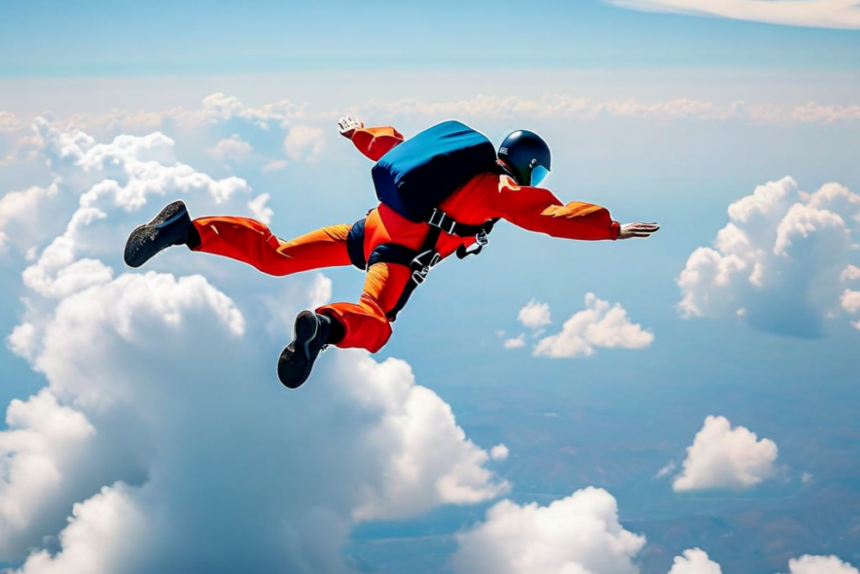
There is nothing on earth quite like stepping out of a plane at 12,000 feet. The wind hits before the brain catches up, and within seconds, fear transforms into something that can only be described as pure, unfiltered freedom. Skydiving has long carried a reputation as one of the most daring things a person can do — and while that reputation is earned, the reality of the sport in 2026 is far more accessible, and far safer, than most people realize.
Whether it is a bucket list moment or the beginning of a lifelong obsession, skydiving delivers an experience that no other extreme sport can replicate. And right now, there has never been a better time to try it.
Why Skydiving Is Safer Than You Think
The biggest barrier stopping most people from ever attempting skydiving is fear — and a big part of that fear is built on outdated assumptions. The numbers tell a very different story. The United States Parachute Association tracks every jump made at certified drop zones across the country, and the data shows that skydiving fatalities have dropped by 57% since 2000. The current fatality rate sits at roughly 0.53 deaths per 100,000 jumps — a figure that makes skydiving statistically safer than horseback riding, hang gliding, and scuba diving.
For first-timers going tandem, the numbers are even more reassuring. The tandem fatality rate is approximately 1 death per 500,000 jumps, giving first-time jumpers a 99.998% chance of completing the experience without incident. Modern skydiving equipment now includes three independent safety systems — a main parachute, a reserve parachute, and an Automatic Activation Device that deploys the reserve automatically if needed. True total equipment failure occurs in fewer than 1 in 10,000,000 jumps.
What to Expect on Your First Skydiving Jump
For anyone stepping into the sport for the first time, tandem skydiving is the standard entry point — and it is designed to be as seamless as possible. Here is a quick breakdown of what the experience looks like:
- Training — A certified instructor walks first-timers through the basics before the jump, covering body position, deployment cues, and landing technique. The session typically runs between 30 minutes and an hour.
- The ascent — The plane climbs to a jump altitude of around 10,000 to 15,000 feet. At that height, the temperature drops sharply and the view stretches for miles in every direction.
- Freefall — Once out of the aircraft, freefall begins immediately. The average freefall lasts between 45 and 60 seconds, with speeds reaching 120 miles per hour. Most first-timers report that fear disappears within the first five seconds of exiting the plane.
- Canopy ride — After parachute deployment, the descent slows dramatically. The canopy ride typically lasts five to seven minutes, offering a quiet, breathtaking glide back to the drop zone.
- Landing — Tandem instructors control the entire landing sequence, guiding both jumper and instructor to a smooth touchdown.
Skydiving Is a Growing Global Movement
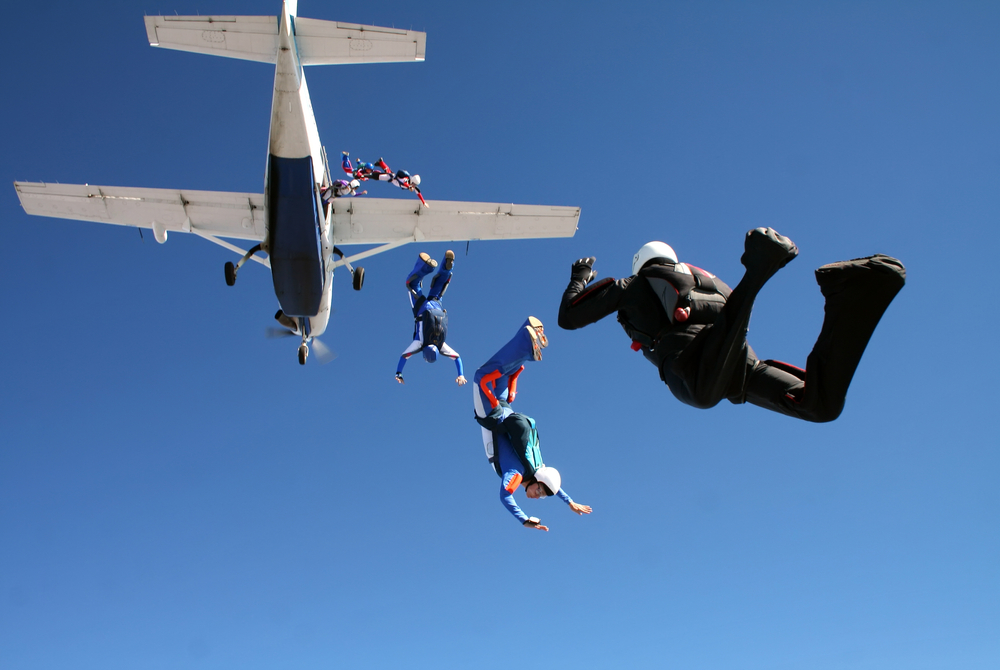
What was once a niche sport for thrill-seekers and military veterans has quietly become one of the fastest-growing adventure activities in the world. Around 500,000 people make their first tandem skydiving jump in the United States every year. Millennials and Gen Z are driving that growth, treating skydiving as a non-negotiable experience rather than a distant fantasy.
Internationally, destinations like Skydive Dubai — which has completed over 500,000 tandem jumps with zero tandem fatalities — have turned skydiving into a premium travel experience. New Zealand, Australia, and Switzerland have similarly built global reputations as world-class skydiving destinations, drawing adventure tourists from every corner of the planet.
How to Get Started With Skydiving
Taking the first step is simpler than most people expect. Here is what to know before booking:
- Find a USPA-certified drop zone — Choosing a certified operator reduces personal risk by up to 85% compared to uncertified facilities.
- Book a tandem jump first — No prior experience is needed. A licensed instructor handles every technical aspect of the dive.
- Meet the basic requirements — Most drop zones require jumpers to be at least 18 years old and under 220 pounds, with no serious cardiovascular conditions.
- Dress appropriately — Comfortable, close-fitting clothes and lace-up sneakers are ideal. The drop zone provides the jumpsuit, helmet, and all equipment.
- Arrive with an open mind — Nerves are completely normal. Experienced instructors are trained to manage first-timer anxiety and make the experience as enjoyable as possible.
Skydiving is not reckless. It is calculated, regulated, and built on decades of hard-won safety improvements. The only question left is whether the view from 12,000 feet is worth the leap — and for the half a million people who try it every year, the answer is always yes.