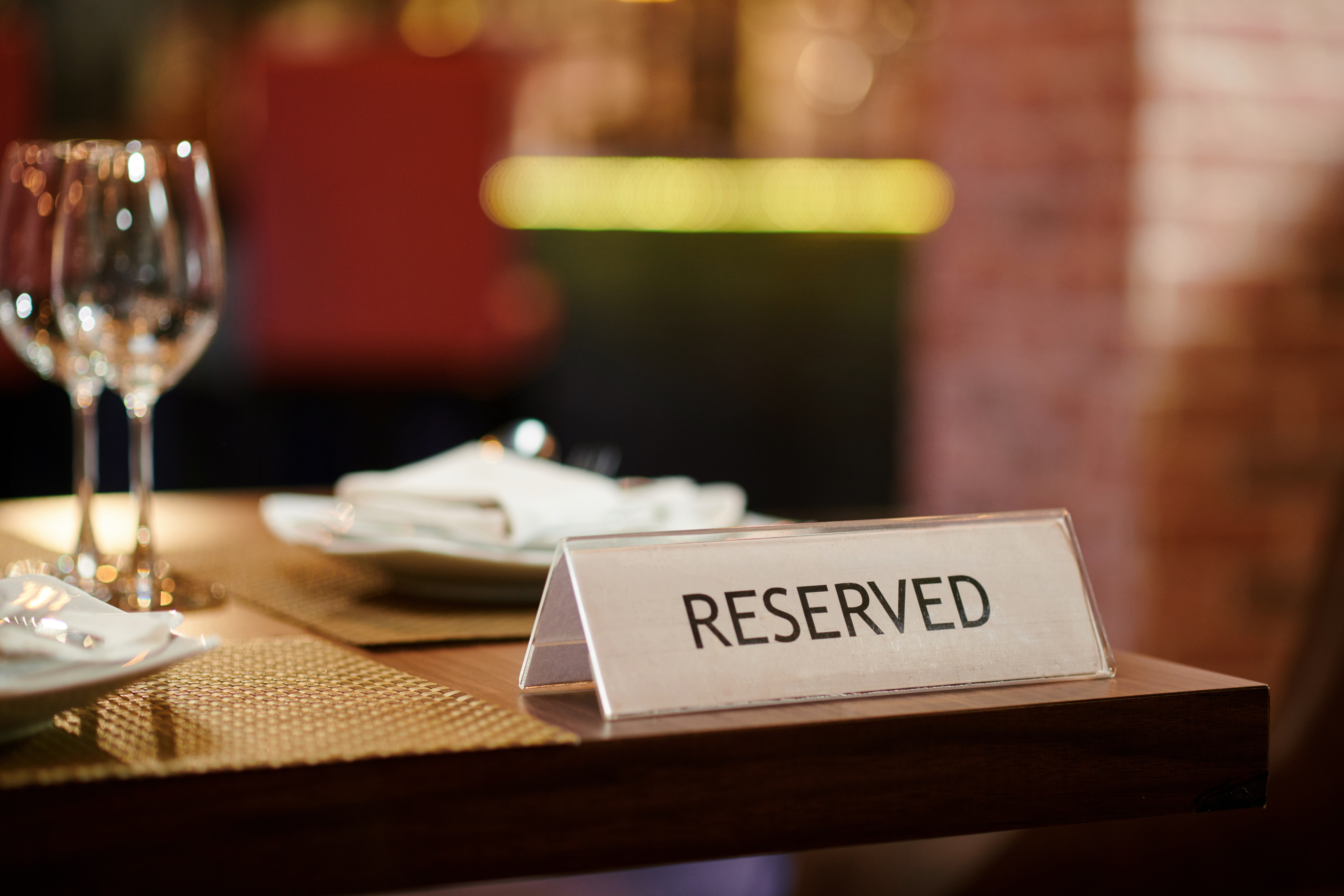
Most diners spend a lot of energy deciding where to eat and very little time thinking about when. That turns out to be a mistake. The time you choose to walk through a restaurant’s door can shape nearly every part of your experience, from the quality of the food to the attentiveness of your server, and industry professionals are surprisingly opinionated about it.
Restaurant service moves in waves. Diners are seated in groups at staggered times, tables are cleared and reset between seatings, and the kitchen operates at different levels of intensity throughout the night. During peak hours the entire staff is locked in on cooking and serving. During slower stretches they are often juggling prep work, cleaning and other behind-the-scenes tasks that have nothing to do with your meal.
Understanding those rhythms is the key to getting the most out of any restaurant visit, whether you are headed to a formal tasting menu or a buzzy neighborhood spot on a Friday night.
The opening hour trap
Arriving the moment a restaurant opens might seem like a smart move, but many industry veterans advise against it. The first stretch of service is often when small details are still being ironed out. Silverware is still being polished, service stations are being stocked and the team is still settling into its rhythm. Showing up 30 minutes to an hour after opening, rather than right at the start, gives the kitchen and front-of-house staff time to hit their stride and focus fully on guests rather than setup.
The sweet spot most people miss
The window just before a restaurant hits its peak tends to offer a particularly satisfying balance. The kitchen is already warm and moving, the dining room has enough guests to generate real energy, and servers are engaged but not yet overwhelmed. It is the moment when a restaurant feels alive without feeling chaotic, and it is often when the staff is at its most attentive.
By 8 p.m. on a weekend, however, most restaurants are deep into their busiest stretch. Drink refills slow down, courses take longer to arrive and the overall pace of service can feel strained. For a large group catching up over dinner this might not matter much. For anyone hoping for a tighter, more curated experience it can be genuinely frustrating.
Why slow nights can disappoint too
It might seem logical to assume that a quieter restaurant means better service, but experienced operators push back on that idea. Some restaurant professionals note that more errors tend to happen during slow periods than during the rush. When the dining room is full, the entire team is dialed in. When it is half empty, focus has a way of drifting.
Slow nights on traditionally quiet days, like Mondays and Tuesdays, can also mean a thinner menu. By later in the evening the kitchen may have already run out of specials and limited offerings, leaving you with fewer options than the full menu suggests. The vibe, too, can feel flat in a way that a busier night simply never does.
The one time to absolutely avoid
Of all the timing mistakes a diner can make, one stands out above the rest. Arriving at or near closing time is widely considered the worst possible move, and nearly every restaurant professional agrees on this point without hesitation.
Toward the end of a shift the kitchen is already breaking down, dishes are being washed and the crew is mentally transitioning out of service mode. Even a table seated 30 minutes before closing puts real strain on a team that has already worked a full night. A good restaurant will still take care of you, but the experience is unlikely to reflect the best that kitchen can offer.
When the day of the week matters
Beyond the hour, the day you choose also plays a role. Fridays and Saturdays are peak nights at most restaurants, with the heaviest crowds arriving between 6 p.m. and 8 p.m. Patience is essential on those evenings. Sundays and Mondays tend to draw a more local, relaxed crowd, often including off-duty restaurant workers who know exactly where to go and when. Tuesdays and Wednesdays split the difference, offering a quieter atmosphere without the occasional emptiness of a slow Monday.
Holidays like Valentine’s Day and Mother’s Day deserve a special mention. Restaurants are at their most stretched on those nights and frequently shift to limited prix fixe menus to manage the volume. The result is often a more impersonal experience than a typical visit would provide.
The single best piece of advice may be to study the reservation availability at any restaurant you are planning to visit before you book. Watching when slots fill up quickly and when they stay open tells you exactly when that specific kitchen is at its most in-demand, and that information is worth more than any general rule.