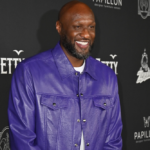
Mixed martial arts delivered another unforgettable moment at UFC 324 when Derrick Lewis, the beloved heavyweight knockout artist, met an unexpected end against Waldo Cortes-Acosta at the T-Mobile Arena in Las Vegas. The Black Beast, nearing his 41st birthday, entered the octagon as one of the sport’s most recognizable figures, carrying an impressive finishing record and the confidence of a fighter who had dominated eight of his previous nine bouts.
The fight exposed a critical flaw in Lewis’s approach. While his reputation for devastating power had carried him through countless battles, his decision to abandon his signature stand-up game proved costly. Cortes-Acosta, a 34-year-old former minor league pitcher turned fighter, capitalized on every mistake his legendary opponent made.
The Upset Unfolds
Lewis had boldly predicted a first-round finish before stepping into the cage, riding the momentum of three straight victories. His recent success had positioned him as a reliable veteran capable of dismantling challengers with single strikes. But Cortes-Acosta brought a calculated game plan that neutralized the Black Beast’s greatest weapon.
The opening round saw Lewis employ a puzzling strategy, choosing to remain grounded rather than engaging in the striking exchanges that built his reputation. Cortes-Acosta swept all three judges’ scorecards for the first five minutes, controlling the pace and dictating the fight’s direction. When Lewis repeated the tactical error in the second round, his opponent struck decisively at the 3:14 mark, ending the contest with a knockout that sent shockwaves through the heavyweight division.
Cortes-Acosta’s Rise Continues
The victory represents more than just another win for Cortes-Acosta. Defeating a fighter of Lewis’s caliber instantly elevates any competitor’s standing in the rankings. The triumph positions him as a legitimate threat to the division’s elite, and he wasted no time calling out top contenders like Ciryl Gane and current heavyweight champion Tom Aspinall.
Aspinall’s recent no-contest at UFC 321 has created uncertainty atop the heavyweight hierarchy, potentially opening pathways for interim title fights. Cortes-Acosta now finds himself in position to capitalize on that chaos, transforming from prospect to contender with one spectacular performance.
Beyond the Heavyweight Drama
UFC 324 delivered entertainment across multiple fights. Justin Gaethje reclaimed his status as interim lightweight champion by outpointing Paddy Pimblett in a unanimous decision that fans immediately labeled an instant classic. The high-stakes matchup showcased the technical brilliance and heart that defines championship-level competition.
Raymond Muratalla edged Andy Cruz via majority decision in a bout that split judge’s opinions, while Zuffa Boxing launched its Las Vegas presence with Callum Walsh’s impressive victory over Carlos Ocampo. Walsh’s speed and technical proficiency signaled the promotion’s intentions to establish itself as a serious player in combat sports.
The Future of Heavyweight Competition
The Lewis loss raises questions about the veteran’s future in a division crowded with hungry contenders. His willingness to take risks has always defined his career, but the gamble at UFC 324 backfired spectacularly. Whether the Black Beast can regroup and return to his knockout ways remains uncertain.
Meanwhile, the heavyweight landscape continues shifting. With Aspinall’s title situation unresolved and fighters like Cortes-Acosta surging, the division promises compelling storylines heading into spring and summer. The UFC‘s massive seven-year, $7.7 billion partnership with Paramount ensures these narratives will reach massive audiences across multiple platforms.
Upcoming events include Alexander Volkanovski defending his featherweight championship against Diego Lopes in Sydney, Australia, followed by another Zuffa Boxing card featuring Jose Valenzuela versus Diego Torres in Las Vegas. The relentless schedule keeps fans engaged while giving fighters opportunities to climb toward championship contention.
Lessons from the Octagon
UFC 324 reinforced the fundamental truth of combat sports that reputation and past success guarantee nothing once the cage door closes. Lewis entered as the favorite based on experience, power, and recent form, but he left defeated because his opponent prepared better and executed more effectively when opportunities arose.
Cortes-Acosta’s performance demonstrated that studying opponents, developing specific strategies, and maintaining composure under pressure can overcome even the most dangerous strikers. His background as a baseball pitcher might seem irrelevant, but the mental discipline required for that sport translated perfectly to the mental warfare of MMA at the highest level.
The heavyweight division continues providing drama that captivates casual viewers and hardcore fans alike. As fighters jockey for position and champions defend their thrones, every fight carries potential to reshape the entire landscape. Lewis’s shocking defeat to Cortes-Acosta at UFC 324 proves that unpredictability remains the sport’s most compelling characteristic, keeping audiences returning for each successive card.